 {# Overlay logo in the middle of the banner, no layout shift #}


Marietta makes its move as Atlanta’s NWSL future begins to take shape

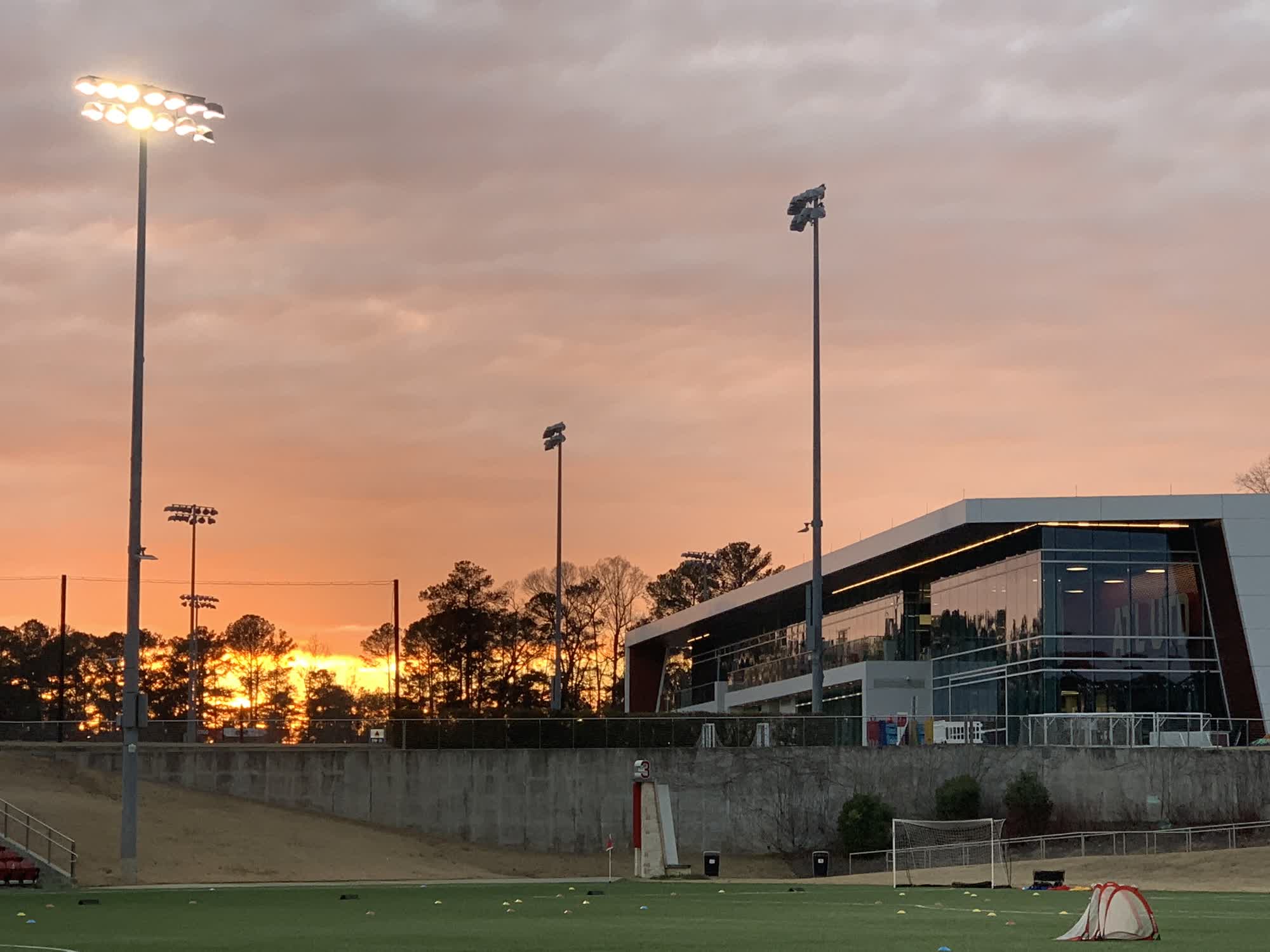
Marietta does not yet have a women’s professional soccer team. It does, however, now own the land it believes could help bring one there.
Last week, the Marietta City Council voted to purchase 34 acres at 1033 Franklin Gateway for $18.5 million, a strategic reacquisition aimed squarely at courting Atlanta’s incoming National Women’s Soccer League club. The site sits roughly half a mile from Atlanta United’s Children’s Healthcare of Atlanta Training Ground, positioning it within a growing soccer corridor north of the city.
The vote does not finalize anything. AMB Sports and Entertainment (AMBSE), which owns Atlanta United and will operate the new NWSL team, has not selected a training location. Negotiations remain open. But the message from Marietta was unmistakable - if Atlanta’s women’s team is looking for a home base, the city wants to be ready.
“This purchase reflects our continued commitment to thoughtful, strategic use of Franklin Gateway’s Redevelopment Bond funds,” Mayor Steve Tumlin said in a statement following the vote.
A familiar site, back under city control
Franklin Gateway has quietly become one of the most soccer‑dense pockets in the Atlanta area.
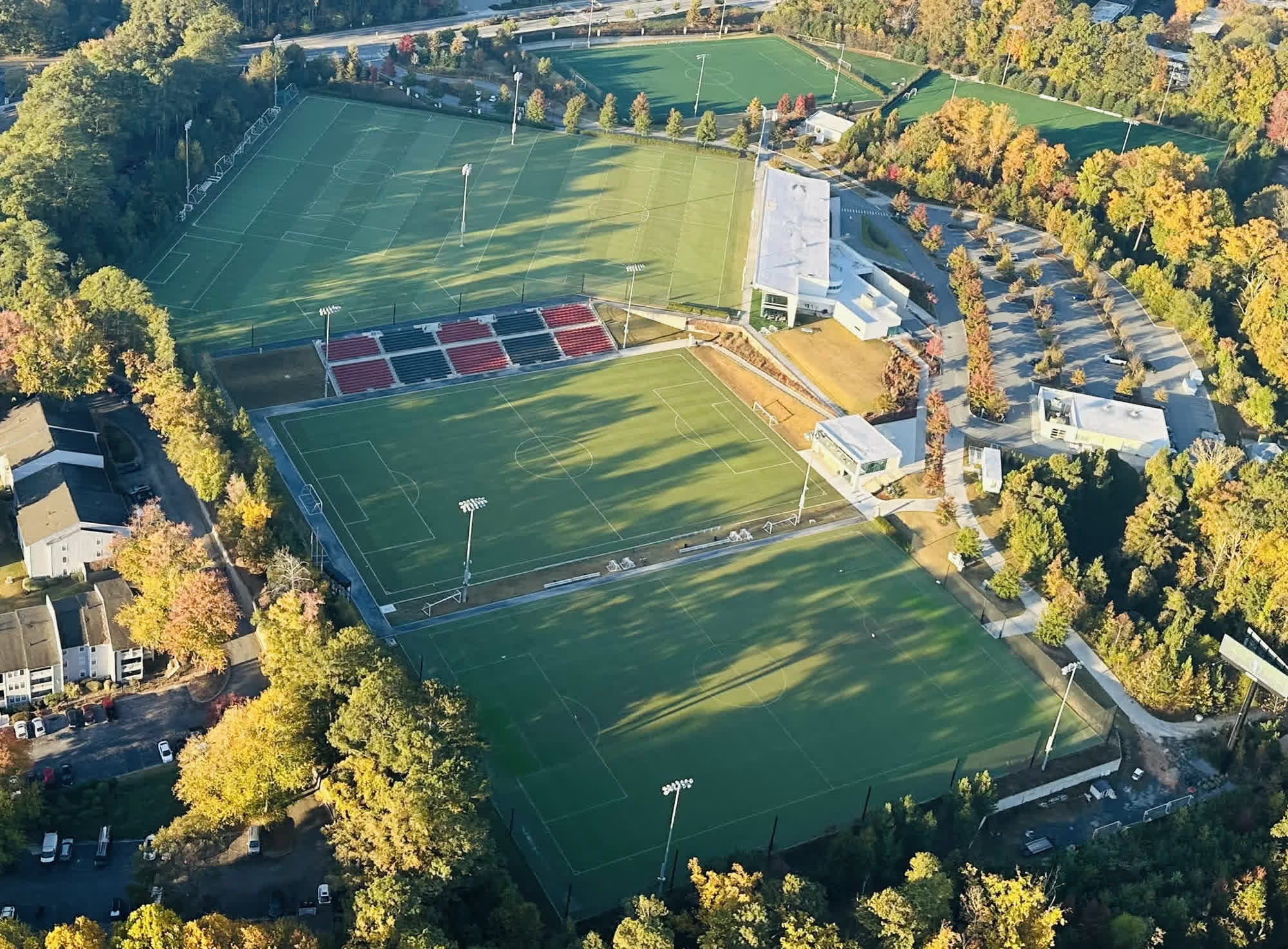
Just up the road sits Children’s Healthcare of Atlanta Training Ground, the Atlanta United’s headquarters since 2017. The facility anchors the first team’s daily operations and youth development work, with multiple full‑size training pitches, performance and sports‑science spaces, and year‑round staff presence. Its location in Marietta helped establish the area as a long‑term soccer base rather than a temporary outpost.
Across Franklin Gateway itself is the Franklin Gateway Sports Complex, a city‑run, multi‑field venue that hosts youth leagues, tournaments, and community programming. On weekends, the complex draws steady local traffic tied directly to the sport, reinforcing the corridor’s identity as a place where soccer is already embedded, not newly introduced.
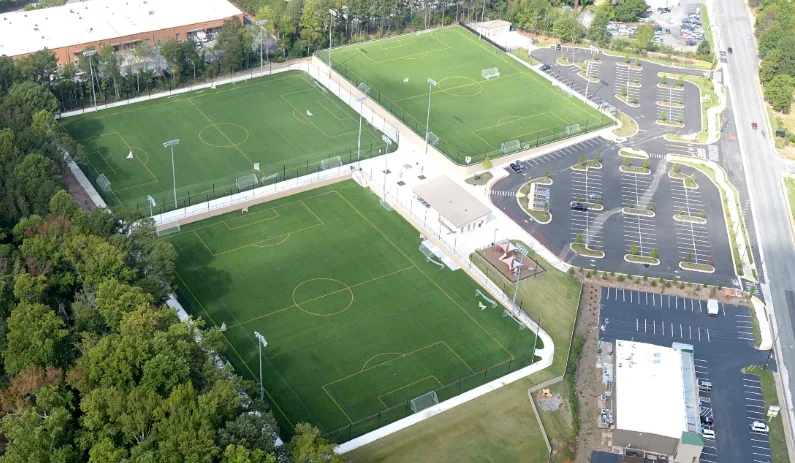
Taken together, the MLS training ground, the community sports complex, and the newly reacquired parcel form a compact cluster that is difficult to replicate elsewhere in the metro area. Any future NWSL facility here would not arrive in isolation, but as the next layer in an already established soccer ecosystem.
The Franklin Gateway parcel has a longer history than its recent vacancy suggests.
Originally owned by the City of Marietta, the land was sold to IKEA in 2017 as part of plans for a 337,000-square-foot store that ultimately never materialized. Like several IKEA expansion projects nationwide, the Marietta location was shelved, leaving the site undeveloped for years.
Now the city has bought the land back at a price matching what IKEA paid in 2018, using Redevelopment Bond funds approved by voters in 2013. For city leaders, the reacquisition is about control as much as ambition.
“My main objective, and a very natural objective, is to go after the National Women’s Soccer League,” Tumlin said. “Now that we own the property, it’s full speed ahead.”
Why Franklin Gateway fits the picture
With the physical context already in place, the remaining question is institutional rather than geographic.
For AMB Sports and Entertainment, Franklin Gateway represents continuity as much as convenience. The organization already operates its MLS headquarters nearby, and a women’s training facility in the same corridor would streamline staffing, logistics, and long‑term planning while keeping the NWSL team embedded in the same regional ecosystem.
That said, AMBSE has emphasized that no decision has been made.
“We’re still working through options for a location of NWSL training site,” the organization said in a statement. “We have had positive discussions with Marietta, which has been an outstanding location for our Children’s Healthcare of Atlanta Training Ground for Atlanta United.”
Those discussions remain ongoing. Other sites are still under evaluation, and no timeline has been announced for a final decision.
Soccer momentum, measured carefully
Atlanta’s NWSL expansion arrives during a period of rapid growth for the women’s game and escalating investment across U.S. soccer. Arthur Blank has described Atlanta as “the epicenter of soccer in this country,” pointing to sustained MLS success, upcoming global tournaments, and now a women’s club set to debut later this decade.
Marietta’s move reflects a broader understanding across modern sports - training facilities matter. They are not just places to practice, but long-term infrastructure shaping recruitment, player development, and community engagement.
City officials say that even if the NWSL ultimately chooses another location, the Franklin Gateway site could still support redevelopment goals along a corridor that has been targeted for reinvestment for years.
Community questions remain
DEBUG: Premier League / NWSL / MLS
DEBUG: Premier League / NWSL / MLS Not everyone along Franklin Gateway views a professional training facility as the ideal outcome.
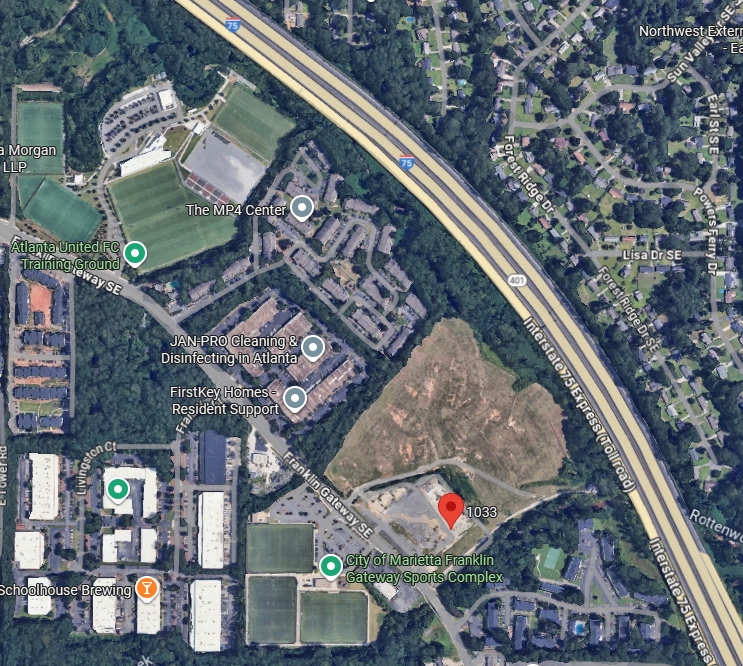
Between Atlanta United’s existing training ground and the newly acquired parcel sit two large apartment complexes, placing hundreds of residents directly between what could become dual professional training centers operated by the same ownership group. For some neighbors, that proximity raises practical questions about traffic, noise, and long-term land use in a corridor already experiencing steady change.
Some small business owners have expressed concern, privately, that continued city acquisition and resale of property could favor large organizations at the expense of local stability. Others have suggested that affordable housing would better serve the area’s long-term needs, particularly given the residential footprint already embedded along Franklin Gateway.
Those tensions sit beneath the optimism, a reminder that major sports investment often carries trade-offs alongside its economic and cultural benefits.
For now, Marietta has positioned itself squarely in the conversation. The land is secured. The outreach has begun. And while the future of Atlanta’s NWSL training home remains undecided, the city has made clear it intends to be part of that future.
In a league and a sport still defining what permanence looks like, that kind of preparation matters.
ATL NWSL VIPs ATLANTA · NWSL